
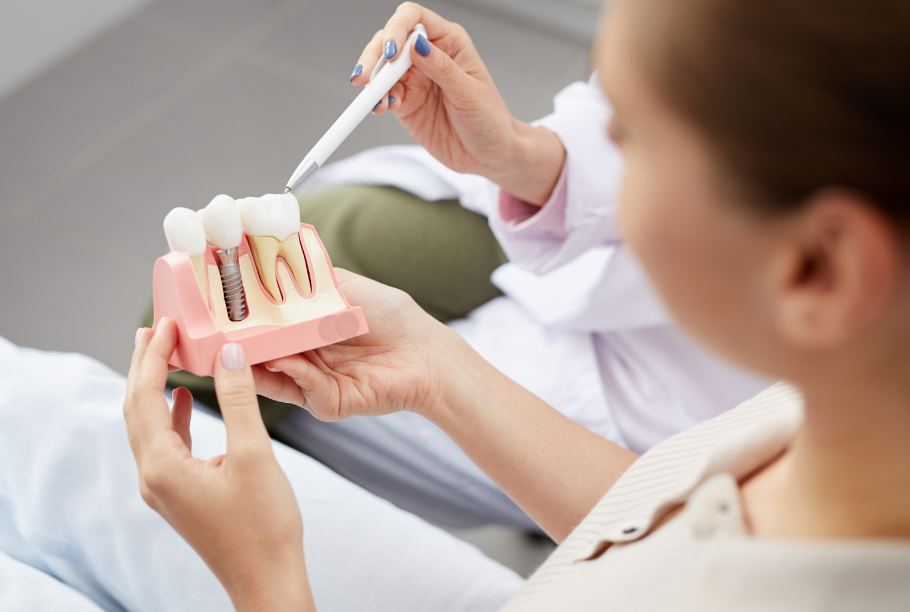
When you’re living with heart disease, every health decision feels more important — including dental care. If you’re missing teeth, you may wonder whether dental implants are safe for you and whether they have any impact on heart health. The relationship between oral health and cardiovascular wellness is more connected than many people realize, and understanding that connection can help you make informed choices about your smile and your overall well-being.
Can People With Heart Disease Safely Get Dental Implants?
In many cases, yes. Dental implants are generally considered safe for patients with heart conditions when treatment is carefully planned and coordinated with their medical team. Oral surgeons typically evaluate factors such as anesthesia tolerance, bleeding risks, medications, and overall cardiovascular stability before moving forward.
Patients taking blood thinners, managing high blood pressure, or living with arrhythmias may need additional precautions or monitoring. Reduced blood flow associated with some cardiovascular conditions can slow healing, which is why close collaboration between your dentist, cardiologist, and primary care provider is essential.
With proper planning and medical clearance, many heart patients successfully receive implants and enjoy improved function and comfort.
How Oral Health and Heart Health Are Connected
Your mouth is not separate from the rest of your body. Gum disease and oral infections can allow bacteria to enter the bloodstream, contributing to inflammation that may affect blood vessels and the heart.
While this link does not prove that oral disease directly causes heart disease, research consistently shows an association between gum disease and higher cardiovascular risk.
This connection highlights an important point: maintaining good oral health is part of caring for your overall health, especially if you already have heart concerns.
Do Dental Implants Help With Heart Health?
Dental implants do not treat heart disease, but they can support habits and conditions that contribute to better cardiovascular wellness.
Replacing missing teeth helps restore chewing ability, making it easier to eat nutrient-rich foods like fruits, vegetables, and lean proteins that support heart health.
Implants also help prevent gum disease by closing gaps where bacteria can accumulate, reducing the risk of chronic inflammation linked to cardiovascular problems.
By stabilizing oral health and reducing infection risks, implants may indirectly support heart health as part of a comprehensive care plan.
Risks to Consider and How to Prepare
If you have heart disease and are considering dental implants, preparation is key. Your dental team may:
- Review your full medical history and medications
- Consult with your cardiologist
- Adjust medications such as blood thinners if necessary
- Recommend antibiotics in specific cases to prevent infection
Managing blood pressure and controlling existing gum disease before surgery can also improve outcomes and reduce complications.
The Bigger Picture: Whole-Body Health
Tooth loss can make it harder to maintain good nutrition and may contribute to chronic oral infections, both of which are linked to increased systemic inflammation.
By restoring dental function and supporting healthier daily habits, implants can play a meaningful role in whole-body wellness — even if their benefits for heart health are indirect.
Making informed, collaborative decisions with your healthcare providers ensures that your treatment supports both your smile and your cardiovascular health.
A healthy mouth is one more way to support a healthier heart.
About the Practice
Amberly Dental provides comprehensive dental care with a focus on restoring function, comfort, and confidence for every patient. Dr. Vacek and Dr. Hull specialize in dental implants, preventive care, and personalized treatment planning tailored to each individual’s health needs. Our doctors and team prioritize collaboration with medical providers when necessary, ensuring patients with complex health conditions — including heart disease — receive safe, coordinated care in a supportive environment.
Call us at (817) 989-2832 or request an appointment online.